Trial Presentation Preferred Professionals for Legal Visuals and Graphics
Astound the Court: Crucial Elements of a Powerful Trial Discussion
Crucial components such as comprehending the audience, crafting an engaging narrative, and mastering spoken and non-verbal interaction are critical parts of an efficient presentation. As these factors intertwine, they create a natural strategy that not only educates however likewise engages jurors on several degrees.
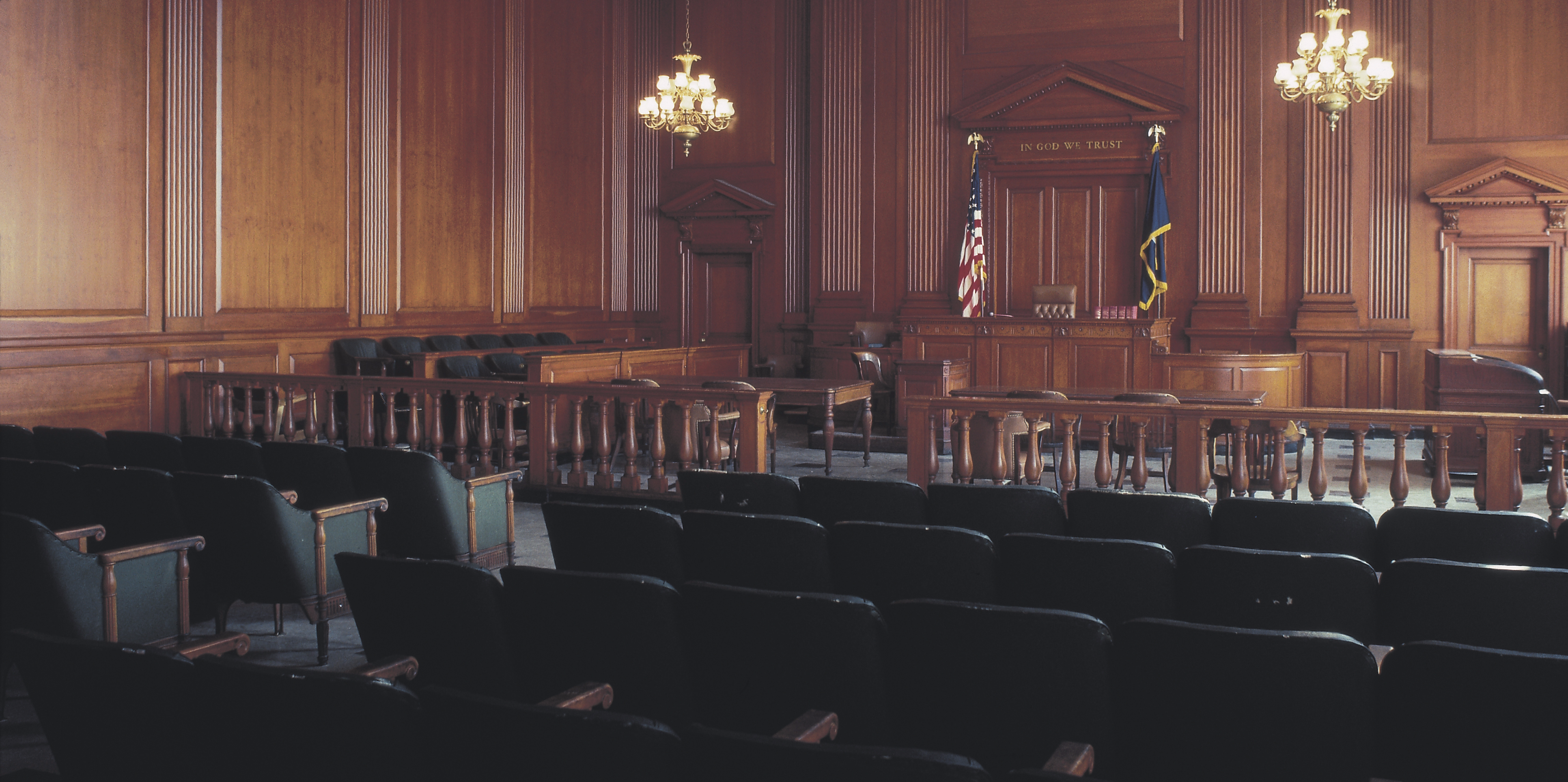
Recognizing Your Audience
Understanding your audience is a crucial aspect of efficient test discussion. A successful presentation depends upon the capability to grasp the demographics, values, and proneness of jurors. This understanding informs exactly how debates are framed, evidence exists, and sob stories are crafted, making certain that the message resonates with the jurors on a personal level.
Study indicates that jurors come from diverse backgrounds and may have differing degrees of recognizing concerning legal procedures. Additionally, comprehending the jurors' potential biases and life experiences enables the test presenter to prepare for arguments and address problems proactively.
Efficient test presentation additionally includes observing jurors' reactions throughout the proceedings. Engaging with jurors as people rather than a cumulative system is important in cultivating a strong connection in the court.

Crafting an Engaging Story
Crafting a compelling narrative is crucial in leading jurors with the complexities of an instance. A well-structured narrative not just streamlines elaborate legal principles yet likewise engages jurors on an emotional degree, making the details a lot more relatable and unforgettable.
This message needs to reverberate with the jurors' worths and experiences, cultivating a link that transcends simple truths. This sequential approach can aid jurors adhere to the progression of occasions, highlighting cause and result.
Incorporating human components-- such as individual stories or narratives-- can additionally improve the narrative's impact. These elements evoke empathy, permitting jurors to picture the effects of the case on realities. Furthermore, using a consistent theme throughout the presentation strengthens the primary disagreement, making it less complicated for jurors to retain vital factors.
Inevitably, an engaging story changes a test discussion from a plain address of realities right into a persuasive story that captivates the jury, encouraging them to deliberate with both reason and emotion.
Utilizing Aesthetic Help
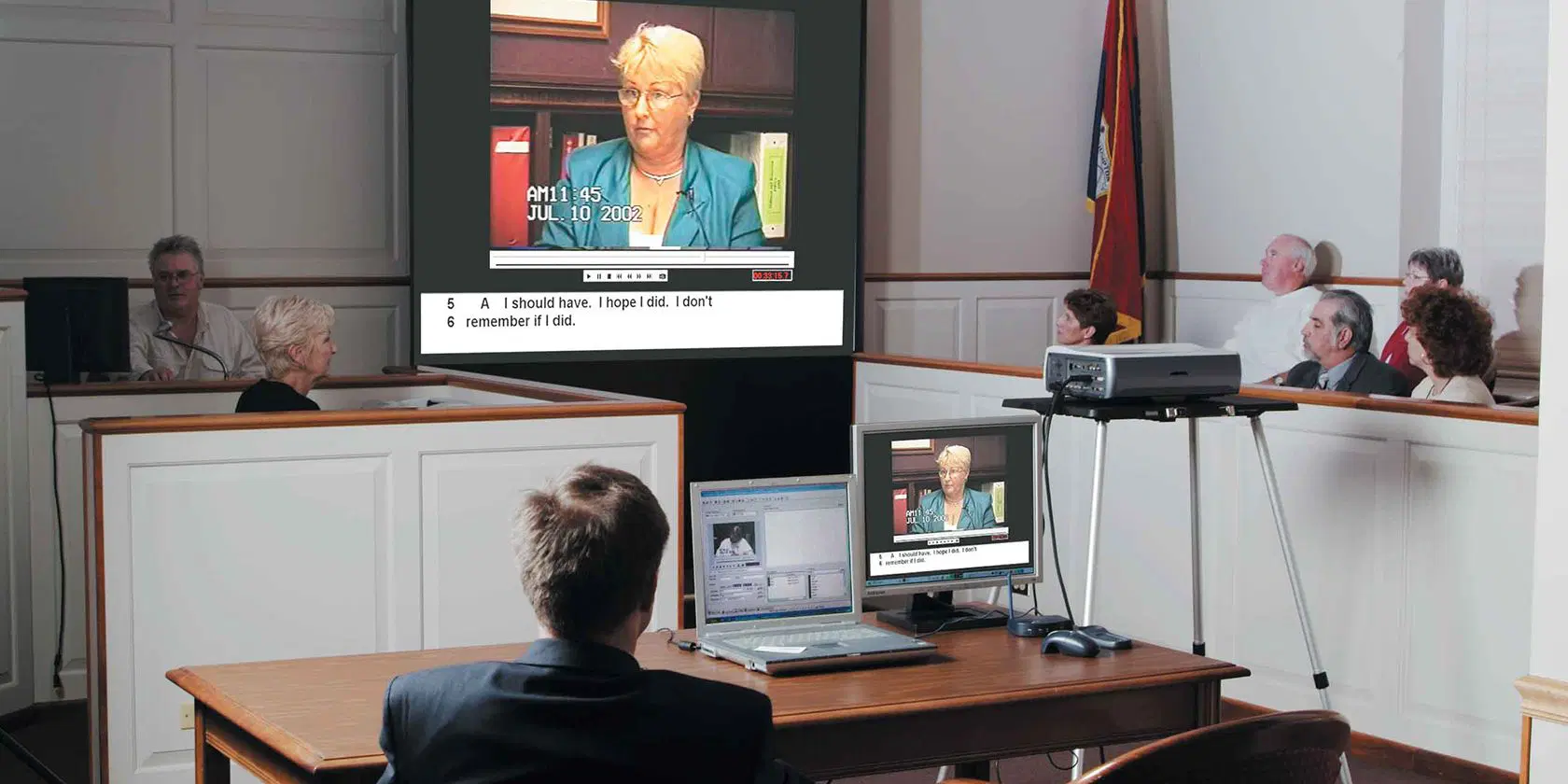
Incorporating visual help right into a test discussion can substantially improve jurors' understanding and retention of details. Aesthetic materials such as charts, representations, pictures, and video clips can change complicated lawful ideas and evidence right into easily digestible layouts. By engaging multiple detects, these aids allow jurors to visualize the instance's crucial elements, making it easier for them to adhere to along and comprehend elaborate details.
In addition, well-designed visual help can emphasize crucial points and highlight relationships in between different items of proof. Timelines can successfully show the series of events, while annotated images can make clear specific information appropriate to the case. This not just aids in understanding but additionally reinforces the story provided by the attorney.
It is vital, nevertheless, to guarantee that aesthetic help are pertinent, clear, and properly offered. Excessively complicated or cluttered visuals may overwhelm jurors and interfere with the message. When utilized judiciously, aesthetic help offer to enhance the dental debates and enhance the general impact of the test presentation. Ultimately, reliable visual communication can be an effective tool in encouraging jurors and aiding them get to notified verdicts.
Grasping Verbal Interaction
Reliable spoken interaction is essential in a trial presentation, as it acts as the main ways with which lawyers share their debates and connect with jurors. Mastering this skill involves clarity, persuasion, and engagement. Attorneys need to express their factors plainly and briefly, avoiding legal jargon that may puzzle jurors. Simpleness in language cultivates understanding and aids jurors realize complex problems look at here provided during the trial.
Furthermore, tone and pacing significantly influence exactly how messages are gotten. A confident tone shares authority, while proper pacing enables jurors to take in info without feeling overwhelmed. Attorneys ought to also vary their vocal inflections to stress key points and maintain jurors' passion throughout check here the discussion.
Furthermore, the organization of verbal debates is crucial. Structuring the narrative logically and coherently helps jurors follow the attorney's logic, making it less complicated for them to retain critical details. Utilizing convincing methods, such as storytelling, can also enhance the emotional vibration of the debates provided, thus creating an extra extensive link with jurors.
Inevitably, grasping spoken communication not only reinforces an attorney's case but additionally fosters count on and connection with the jury, considerably improving the possibilities of a positive verdict.

Involving With Body Movement
Nonverbal communication plays an essential function in trial discussions, frequently sharing messages that words alone can not reveal. Body language, including gestures, pose, facial expressions, and eye call, considerably affects exactly how jurors perceive the reputation and sincerity of the speaker. A positive position, with shoulders back and an open position, can infuse count on, while closed-off body movement may recommend defensiveness or uncertainty.
Facial expressions must show the emotions connected with the case, strengthening the story existing. For example, a genuine expression throughout a poignant minute can elicit empathy and reinforce the sob story. Ultimately, grasping body movement is vital for reliable trial presentations, as it boosts spoken communication and develops a compelling existence that reverberates with the jury.
Final Thought
To conclude, captivating the court necessitates a calculated strategy that encompasses recognizing the audience, crafting a compelling narrative, making use of visual aids, understanding verbal interaction, and involving through body movement. Each component plays a vital role in producing an effective trial presentation that reverberates with jurors on both psychological and intellectual levels (trial presentation). By integrating these elements properly, lawyers can substantially enhance their capability to encourage and influence jury decision-making